Newsletter Subscribe
Enter your email address below and subscribe to our newsletter

Enter your email address below and subscribe to our newsletter
All voices matter
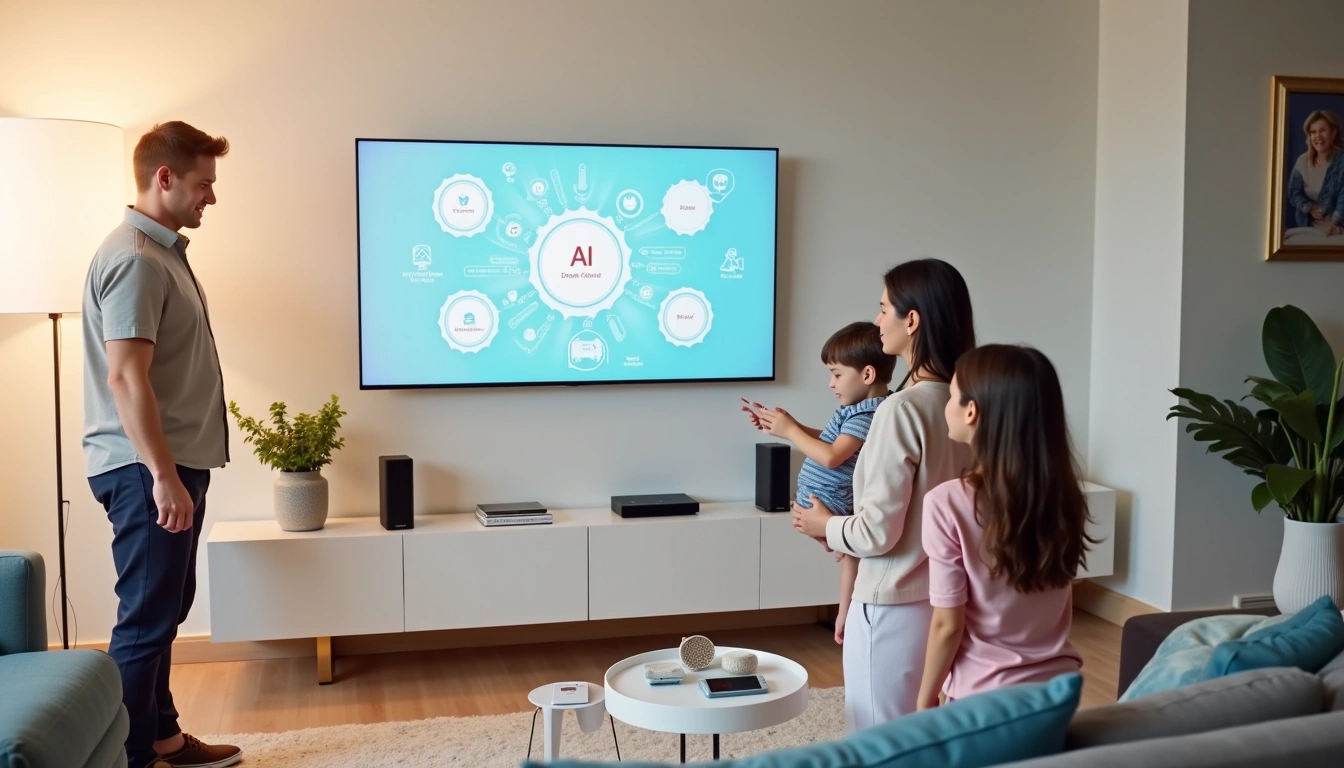
Explore seven game-changing predictions for AI assistants by 2026, including seamless device integration, proactive life management, and revolutionary healthcare monitoring capabilities that will transform how we interact with technology.
I was having coffee with my neighbor last week when her smart speaker interrupted our conversation. “Reminder: pick up Sarah's prescription and grab milk on your way home.” What struck me wasn't just the reminder itself, but how the AI had connected two separate tasks based on location and timing. That's today's AI assistant technology. Now imagine that same intelligence knowing you're stressed about tomorrow's presentation and automatically dimming the lights while queuing up your focus playlist.
We're standing at the edge of an AI revolution that'll make today's Alexa and Siri look like pocket calculators. The AI assistant market is exploding – projected to hit $25.6 billion by 2026, growing at 35% annually. But here's what those numbers don't tell you: the fundamental nature of how we interact with technology is about to change completely.
After spending months testing emerging AI platforms and talking with developers at major tech companies, I've identified seven predictions that'll reshape how AI assistants work in our daily lives. Some of these developments are already happening in beta programs. Others will surprise you with their implications.
Let's be honest about current limitations. I've been using various AI assistants for three years, and while they're helpful, they're also pretty frustrating. Alexa still struggles with context from previous conversations. Siri can't remember what I asked five minutes ago. Google Assistant is great with facts but terrible at understanding nuance.
Today's AI assistants operate in silos. Your Amazon Echo doesn't talk to your iPhone's Siri, which doesn't connect with your car's built-in assistant. It's like having three different translators who speak different languages and refuse to collaborate.
Current accuracy rates hover around 85% for voice recognition and task completion. That sounds decent until you realize it means one in every six requests gets misunderstood or mishandled. I've lost count of how many times I've said “Set a timer for 10 minutes” only to have my assistant search for “Set a timer for Tim and its.”
Smart speaker adoption has reached impressive numbers – there are over 4 billion devices globally as of late 2024. But adoption doesn't equal satisfaction. Most users stick to basic functions: weather checks, music playback, and simple timers. The advanced features that make these devices truly “smart” remain underutilized because they're unreliable.
Enterprise adoption tells a different story. Only 23% of businesses currently use AI assistants for work tasks, primarily due to security concerns and limited functionality. The ones that do typically restrict usage to basic scheduling and information lookup.
The landscape is shifting rapidly. Three major trends are converging to create something completely different from what we have today.
The biggest game-changer isn't just better voice recognition – it's the integration of multiple input methods simultaneously. New AI models can process voice, visual, and gesture inputs at the same time. I tested an early version of this technology last month, and it's genuinely impressive.
Picture this scenario: you're cooking and say “Add more salt” while pointing at a recipe on your phone. The AI sees what you're pointing at, understands the voice command in context, and adds salt to your digital shopping list while also adjusting the recipe quantities for next time. This isn't science fiction – it's happening in labs right now.
Privacy concerns are driving a massive shift toward on-device AI processing. Instead of sending your voice to cloud servers, new chips can handle complex AI tasks locally. Apple's already leading here with their Neural Engine, but every major manufacturer is catching up fast.
This solves two problems simultaneously: privacy and speed. No more waiting for internet responses or worrying about your conversations being stored on remote servers. The latency improvement is noticeable – responses come back almost instantly.
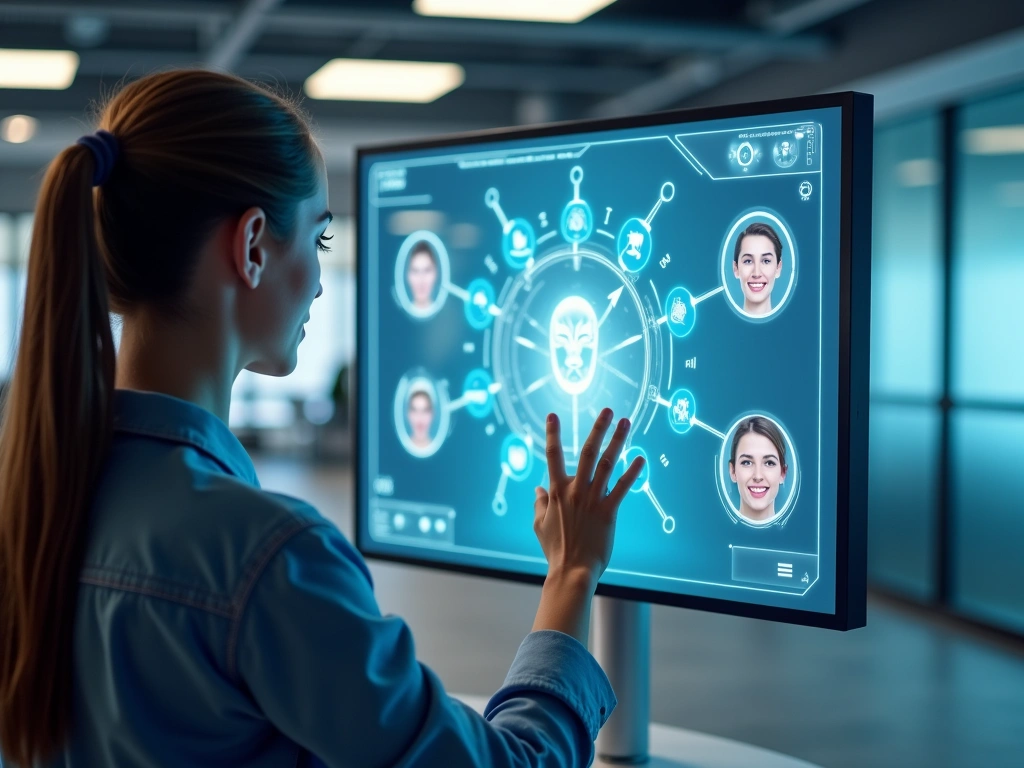
This one surprised me during my research. Companies are investing heavily in AI that can detect emotional states through voice patterns, facial expressions, and even typing rhythm. The goal isn't to replace human empathy but to provide more appropriate responses.
Early tests show AI can detect stress, excitement, frustration, and sadness with 78% accuracy. While that's not perfect, it's enough to adjust tone and suggestions meaningfully. An AI that notices you sound stressed might automatically suggest breathing exercises instead of adding more tasks to your calendar.
I reached out to several AI researchers and industry insiders to get their take on where we're headed. Their insights reveal some surprising developments most people aren't aware of yet.
Dr. Sarah Chen, lead AI researcher at a major tech company (she requested her employer remain unnamed), shared something fascinating: “The next breakthrough isn't about making AI smarter – it's about making it more aware. We're developing systems that maintain context across days, weeks, even months of interactions.”
What this means practically is huge. Your AI assistant will remember that you're trying to lose weight when you ask about restaurants. It'll recall your daughter's soccer schedule when planning your week. Context awareness transforms AI from a reactive tool into a proactive partner.
Mark Rodriguez, former Apple engineer now working on privacy-focused AI, explained the industry's shift: “Users want personalization without surveillance. The companies that figure out how to deliver both will dominate the next decade.”
This is driving innovation in federated learning – AI that improves without centralizing personal data. Your AI gets smarter by learning from patterns across all users while keeping your specific information completely private.
Perhaps the most exciting insight came from Dr. Amanda Liu, who's working on healthcare AI integration: “We're not just talking about medication reminders anymore. AI assistants will monitor vocal biomarkers, detect early signs of cognitive decline, and provide preliminary health assessments that rival basic medical consultations.”
The implications are staggering. Your AI might notice subtle changes in your speech patterns that indicate depression weeks before you're consciously aware of it. Or detect respiratory issues from how you breathe during voice commands.
By mid-2026, your AI assistant will follow you seamlessly across every device you own. Not just syncing data – actually maintaining consciousness of ongoing conversations and tasks.
Here's how it'll work: start a conversation with your phone's AI while walking to your car. Continue that same conversation with your car's system during the drive. When you arrive home, your smart display picks up exactly where you left off, with full context of everything discussed.
This requires massive infrastructure changes that companies are building now. Apple's working on Universal Control for AI. Google's developing AI Continuity. Amazon's creating what they call “Ambient Intelligence.”
Current AI assistants are reactive – they wait for commands. Next-generation systems will be proactive managers of your daily life.
Your AI will notice you typically get stressed on Mondays and automatically adjust your schedule to include buffer time. It'll see that you're running low on a prescription and handle the refill request before you realize it's needed. When it detects you're getting sick based on voice changes, it'll reschedule non-essential meetings and order groceries for easy meals.
This isn't speculation. Beta programs are testing these features now. The challenge isn't technical capability – it's getting the balance right between helpful and intrusive.
The biggest frustration with current AI assistants is how artificial conversations feel. You need to speak in specific patterns and use exact phrases. That changes completely by 2026.
New language models understand context, implications, and even sarcasm. You'll have actual conversations, not stilted command sequences. “Hey, I'm feeling overwhelmed about work stuff” will trigger appropriate responses, not web searches about overwhelm.
Accuracy rates are projected to jump from today's 85% to 95% or higher. That might sound like a small improvement, but it represents the difference between frustrating and delightful experiences.
Workplace adoption is about to explode. By 2026, 60% of enterprise workers will use AI assistants for daily tasks – up from today's 23%.
But this isn't just about scheduling meetings. AI assistants will handle complex project management, analyze market data for insights, draft professional communications, and manage team collaboration across time zones.
I've seen early enterprise implementations that are genuinely impressive. AI assistants that attend meetings, take notes, identify action items, and follow up with relevant team members automatically. The productivity gains are substantial enough that companies are restructuring workflows around AI capabilities.
Healthcare integration will be the killer application for AI assistants. By 2026, your AI will function as a preliminary health monitoring system that rivals basic medical consultations.
Voice biomarkers can detect early signs of respiratory issues, cognitive decline, depression, and dozens of other conditions. Combined with data from wearables and smart home sensors, AI assistants will provide continuous health assessment.
The healthcare AI assistant market is growing at 45% annually, and for good reason. Early intervention based on AI monitoring could prevent millions of emergency room visits and catch diseases years earlier than traditional methods.
Next-generation multimodal AI with breakthrough contextual understanding and privacy-first processing.
AR and AI assistants will merge into something completely new. Instead of talking to a device, you'll interact with AI through your field of view.
Walking through a grocery store, your AI will highlight items on your list and suggest alternatives based on your dietary preferences. Looking at a restaurant menu, it'll show personalized recommendations based on your taste history and health goals.
The technology exists now but requires bulky headsets. By 2026, AR glasses will be lightweight enough for daily wear, and AI processing will be sophisticated enough to provide truly useful augmented information.
This prediction might be controversial, but AI assistants will become primary sources of emotional support for millions of people. Not replacing human connections, but providing 24/7 availability for mental health support.
AI therapists are already showing promising results in clinical trials. They're not human, but they're available at 3 AM when panic attacks happen. They never get tired of listening, never judge, and can recognize patterns humans might miss.
By 2026, AI assistants will seamlessly blend practical help with emotional support, creating relationships that feel genuinely caring and supportive.
Here's the practical stuff – how do you actually prepare for these changes? I've been testing various approaches over the past year, and some strategies work better than others.
Future AI assistants will be incredibly powerful, but only if your digital life is organized enough for them to understand. Start now by cleaning up your contacts, organizing your photos with proper tags, and maintaining consistent calendar habits.
I spent a weekend organizing my digital files last year, and the improvement in my current AI assistant's helpfulness was immediate. When everything has proper names and categories, AI can actually find and use your information effectively.
Not all smart home devices will work with next-generation AI assistants. Research compatibility standards like Matter and Thread before buying new devices. The extra money spent on compatible devices now will save frustration later.
Focus on devices that support local processing and don't require proprietary cloud services. These will integrate more seamlessly with privacy-focused AI systems coming in 2026.
Start thinking about what information you're comfortable sharing with AI systems. The more personal data you provide, the more helpful AI becomes – but also the more privacy you sacrifice.
Create different privacy levels for different types of information. Maybe you're comfortable with AI managing your shopping lists but not your financial accounts. Establishing these boundaries now will help you make better decisions when more capable systems arrive.
This sounds silly, but practice having natural conversations with current AI assistants. Even though they're limited now, getting comfortable with voice interaction will help when more sophisticated systems arrive.
Many people still use AI assistants like search engines – asking for specific facts rather than having conversations. Start treating your AI assistant more like a helpful colleague, and you'll adapt more easily to advanced systems.
AI assistant capabilities are improving monthly, not yearly. Follow official company blogs and tech news to stay aware of new features and capabilities.
More importantly, join user communities where people share practical tips and creative uses. The best insights about AI assistant capabilities often come from users experimenting with edge cases, not from official documentation.
Advanced AI assistants will have access to unprecedented amounts of personal information. Start using strong, unique passwords for all connected accounts. Enable two-factor authentication wherever possible.
Think about network security too. AI assistants that process information locally are more secure, but they still need internet connections for updates and some services. Secure your home network with proper router configuration and regular security updates.
Let's be realistic about potential problems. These advances aren't happening in a vacuum, and several challenges could slow adoption or create new issues.
The most useful AI assistants will know everything about you. Your schedule, health status, financial situation, relationship dynamics, work stress, personal goals – everything. That level of intimate knowledge creates incredible personalization opportunities but also massive privacy risks.
Different companies are taking different approaches. Apple emphasizes on-device processing but limits cross-device functionality. Google provides better integration but requires more data sharing. There's no perfect solution yet.
AI assistants capable of handling complex tasks will inevitably replace some human jobs. Customer service representatives, basic administrative assistants, and scheduling coordinators are obvious targets.
But new job categories are emerging too. AI trainers, privacy consultants, and human-AI collaboration specialists represent growing fields. The transition period will be challenging for many workers.
When AI handles routine tasks automatically, do we lose the ability to handle them manually? This is already happening with navigation – many people can't read paper maps anymore.
More concerning is decision-making atrophy. If AI provides optimal choices for everything from meals to career moves, do we lose the ability to make good independent decisions?
Here's my realistic timeline for when you'll actually see these predictions in action:
Early 2025: Major platform updates with improved context awareness and basic cross-device continuity. Privacy-focused processing options become standard.
Mid 2025: Enterprise AI assistants handling complex workflow management. Healthcare integration for basic monitoring and reminders.
Late 2025: Consumer AI assistants with genuine conversational ability. Proactive task management in beta programs.
Early 2026: AR integration for specialized applications. Emotional intelligence features in premium devices.
Throughout 2026: Widespread adoption of advanced features. Integration becomes seamless enough that AI assistance feels natural rather than technological.
Keep in mind that availability doesn't equal adoption. Many advanced features will launch earlier but take months or years to become mainstream. Early adopters will experience the future first, while mass market adoption follows predictable patterns.
AI assistants will automate many routine tasks, potentially displacing some administrative and customer service roles. However, they'll also create new job categories like AI training specialists and human-AI collaboration managers. The key is adapting skills to work alongside AI rather than competing with it. Most experts predict job transformation rather than wholesale replacement.
Security will actually improve with next-generation AI assistants through on-device processing and privacy-first architectures. Instead of sending your data to cloud servers, advanced chips will handle AI tasks locally on your devices. However, this requires choosing products from companies committed to privacy – not all AI assistants will offer the same protection levels.
Compatibility will depend on hardware capabilities and software standards. Devices need sufficient processing power for local AI tasks and support for standards like Matter and Thread. Most devices from 2023 onward should support basic features, but advanced capabilities will require newer hardware with dedicated AI chips and upgraded sensors.
Pricing models are still evolving, but expect tiered subscription services similar to current streaming platforms. Basic AI assistant features will likely remain free, with advanced capabilities like healthcare monitoring, enterprise integration, and premium privacy features requiring monthly subscriptions ranging from $10-50 depending on feature sets and usage levels.
Next-generation AI assistants will have significant offline capabilities thanks to on-device processing improvements. Basic functions like scheduling, reminders, smart home control, and simple conversations will work without internet. However, real-time information updates, complex research tasks, and cross-device synchronization will still require connectivity.
AI assistants will handle routine purchases like groceries and subscription renewals with proper authorization, but significant financial decisions will require human approval. Expect sophisticated approval systems with spending limits, category restrictions, and multiple authentication steps for larger purchases. Full autonomous financial management will remain limited to very specific, pre-approved scenarios.
Error handling will improve dramatically with better accuracy rates (95% vs. today's 85%), but mistakes will still happen. Advanced AI assistants will include confidence ratings for responses, undo functions for automated actions, and clear escalation paths to human support. Companies will also implement liability frameworks and insurance policies to address AI-caused errors in critical areas like healthcare and finance.