Newsletter Subscribe
Enter your email address below and subscribe to our newsletter

Enter your email address below and subscribe to our newsletter
All voices matter
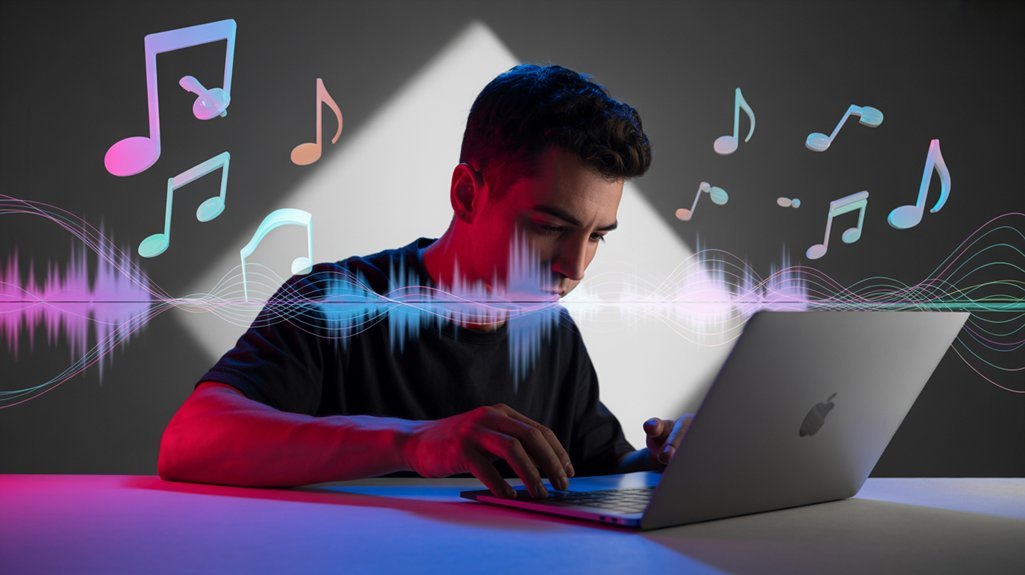
Unlock your creative potential with 8 essential AI music generators for 2025. Streamline your workflow and elevate your sound—here's what actually works.
Did you know that 80% of music producers feel overwhelmed by the sheer number of AI tools available? If you’re one of them, you’re not alone. Finding the right AI music generator can be a game-changer for your creativity and workflow.
After testing over 40 tools, I’ve narrowed it down to eight essentials that can elevate your projects, whether you’re scoring a film or crafting a catchy jingle. Each platform offers unique capabilities tailored to your needs. Let’s cut through the noise and discover which tools really matter for your music production journey.
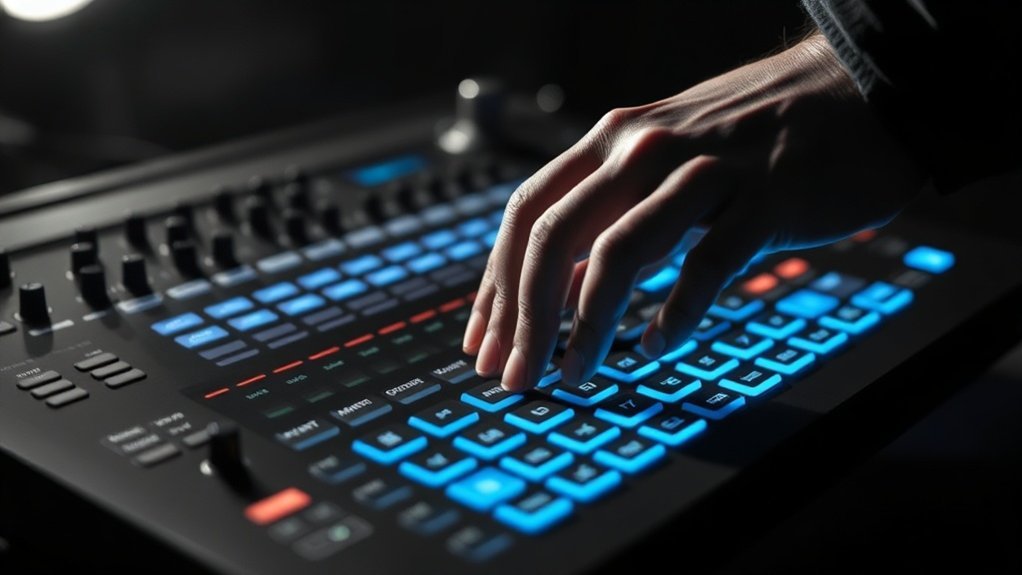
As the music production landscape evolves, specific AI music generators like AIVA, Amper Music, and OpenAI’s MuseNet have emerged as transformative tools. These platforms utilize artificial intelligence to analyze existing musical patterns and create original melodies and harmonies with minimal user intervention. For instance, AIVA can generate compositions in various styles, while Amper Music allows users to customize tracks for specific projects easily.
These tools democratize music creation by significantly reducing production costs and timelines. AIVA’s pricing starts at a tiered model, offering a free version with limited features, while the Pro version costs approximately $15 per month, providing access to more advanced options and higher quality outputs. This shift empowers producers—whether experienced or novice—with unprecedented creative flexibility and efficiency.
The global AI music market’s projected growth to USD 38.7 billion by 2033 underscores industry confidence. However, challenges persist regarding emotional depth and evolving copyright frameworks. For example, AI-generated music may lack the emotional resonance found in human-created compositions, requiring careful human oversight to ensure quality.
Additionally, producers must navigate the complexities of copyright, as the legal frameworks around AI-generated content are still developing.
In practical terms, music producers can leverage these tools today by integrating AIVA for generating quick drafts of soundtracks or using MuseNet to explore different musical styles. However, they should remain aware that AI-generated music may require significant editing to meet professional standards, and human creativity remains essential in shaping the final product.
AI music generators are software tools that leverage artificial intelligence to create original music by analyzing patterns, genres, and structures from existing compositions.
These systems combine clear definition with distinctive characteristics: they offer royalty-free output, require minimal musical expertise, and deliver professional-quality audio through user-friendly interfaces.
Producers can customize genre, tempo, and instrumentation to match their project needs while considerably reducing production time and costs.
With this understanding of AI music generators, you might wonder how they can be applied in real-world scenarios.
Let’s explore some innovative use cases that highlight their transformative potential in music production.
AI music generators like AIVA, Amper Music, and OpenAI’s MuseNet utilize advanced algorithms to create original compositions by analyzing existing music and generating melodies, harmonies, and rhythms with minimal user intervention.
These platforms enable independent producers to bypass traditional barriers in music production, significantly reducing costs. For instance, AIVA offers a free tier with limited features, while their pro subscription starts at approximately $15 per month, allowing for greater access to advanced functionalities.
Producers can exercise substantial control over the creative process, adjusting parameters to refine outputs. This technology produces royalty-free tracks, which allows creators to avoid traditional licensing fees and shorten project timelines.
However, it’s important to acknowledge the current limitations: emotional authenticity in AI-generated music can be lacking, and copyright issues can arise, particularly regarding the originality of AI-generated compositions. Furthermore, there’s a risk of stylistic homogenization, where many tracks begin to sound similar due to the training data used.
For practical implementation, producers should begin by experimenting with platforms like Amper Music or AIVA to create their first tracks. They can start with the free tier to assess quality and usability before committing to a paid plan.
Additionally, it’s crucial to maintain human oversight throughout the creative process to ensure emotional resonance and originality in the final output.
Understanding how AI music generators like AIVA and Amper Music function reveals their core strengths and operational mechanics. These platforms analyze extensive musical datasets to compose original content with minimal input. Key characteristics include:
Producers maintain complete control over creative direction while leveraging AI’s computational power. For example, using Amper Music to generate a background score for a video project can help reduce time spent on music selection and production, allowing for a more streamlined workflow.
However, it’s important to note the limitations of these tools. AI-generated music may lack the emotional depth and nuance that human composers bring to their work, and the outputs may require further editing for coherence and quality. Additionally, human oversight is essential to ensure that the generated content aligns with the project’s vision.
In terms of pricing, AIVA offers a free tier with limited features, while its Pro plan costs approximately $15 per month, allowing for commercial use and additional customization.
Amper Music operates on a subscription model, with plans starting at $10 per month.
To implement these tools effectively, users should start by exploring the free versions to understand their capabilities and limitations. Once comfortable, they can transition to paid plans for more advanced features, enhancing their production capabilities while maintaining creative control.
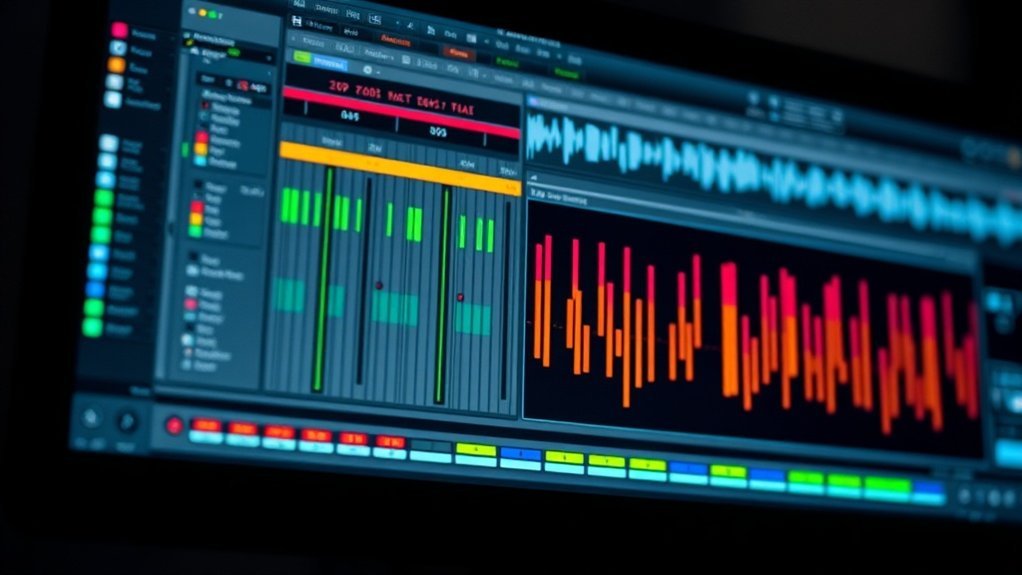
AI music generators employ machine learning algorithms that analyze vast libraries of existing compositions to identify patterns in melody, harmony, and rhythm.
The system processes this data to establish musical relationships and structures, then uses these learned patterns to generate original pieces based on user-defined parameters like genre, tempo, and instrumentation.
Understanding this step-by-step process reveals how the technology transforms raw data into compositions that rival human creativity while operating at remarkable speed.
But what happens when you put this technology to the test?
Exploring its practical applications unveils the true potential of AI in music creation.
At their core, AI music generators like AIVA and Amper Music analyze vast amounts of existing music to identify patterns across genres, structures, and compositional techniques. They use machine learning algorithms to create original compositions tailored to specified parameters such as tempo, genre, and instrumentation.
Users can input their desired specifications, and the system generates melodies, harmonies, and rhythms accordingly. For example, Amper Music offers a free tier that allows users to create up to 5 tracks per month, while its Pro version is priced at $19 per month for unlimited access.
These tools continuously learn from user feedback, refining outputs over successive iterations. However, they can’t fully replace human creativity. For instance, while AIVA can generate background scores for videos, it may struggle with complex emotional depth that a human composer would provide.
Producers maintain complete control through customization features, allowing them to adjust chord progressions and melodic elements to align with their creative vision. This streamlined workflow considerably reduces production time and costs, making music creation accessible to non-musicians.
However, users should be aware that while these generators can produce high-quality music, they often require human oversight to ensure the final output meets the intended artistic standards.
To implement this technology today, explore the free versions of AIVA or Amper Music to experiment with music generation, and consider how you can integrate these tools into your creative process while remaining vigilant about the need for human input.
Creating music with specific generators, such as AIVA or Amper Music, involves three primary stages: input specification, algorithmic processing, and output refinement.
While these tools can significantly speed up music production, they’ve limitations. For instance, AIVA might generate compositions that lack emotional depth or nuance found in human-created music.
Additionally, users should be prepared to provide oversight and make creative decisions, as the generated outputs may require fine-tuning to achieve the desired artistic impact.
To leverage these tools effectively, start by experimenting with their free versions to understand their capabilities and limitations.
Once comfortable, you can transition to paid plans for more advanced features and collaborative tools, ensuring your musical projects are both efficient and aligned with your creative vision.
AI music generators matter because they democratize music production by slashing costs and eliminating technical barriers that previously gatekept the industry.
Producers gain immediate access to royalty-free, customizable compositions that accelerate workflows and spark creative experimentation in ways traditional methods can’t match.
With this newfound accessibility, a key question arises: how will these tools impact the artistry and evolution of music itself?
As technology matures and emotional sophistication improves, we’ll see how they reshape the landscape for both professionals and newcomers alike.
AI music generators, such as AIVA and Amper Music, provide an innovative approach to music production that significantly lowers costs and shortens production timelines. By utilizing these platforms, producers can maintain high-quality standards while exerting enhanced control over their creative output.
This democratization of music production enables producers to allocate resources more effectively, encouraging experimentation and innovation without financial constraints limiting their artistic expression.
While AI music generators offer numerous benefits, they also have limitations. For example, while AIVA can compose original scores, it may struggle to replicate complex emotional nuances that a human musician can convey.
Additionally, AI-generated music often requires human oversight to ensure it meets artistic standards and aligns with the intended emotional tone of a project.
Recommended for You
🛒 Ai News Book
As an Amazon Associate we earn from qualifying purchases.
To start using AI music generators today, consider signing up for a free trial of Amper Music or Soundraw to explore their features.
Both platforms offer tiered pricing, with Soundtrap starting at approximately $14.99 per month for individual producers, along with usage limits based on subscription level. This allows you to assess their capabilities and determine how they can fit into your production workflow.
The transformation of the music production industry through specific AI generators, such as AIVA and Amper Music, has substantial implications for creators, businesses, and the broader entertainment landscape. With AIVA’s pricing starting at $15 per month for individual users, and a free tier available with limited features, these tools significantly reduce production costs. This allows smaller studios and independent artists to compete more effectively with major labels.
Faster production timelines, facilitated by platforms like LANDR, which offers automated mastering services at approximately $10 per track, enable creators to quickly respond to market demands and trends. Additionally, lower licensing expenses from tools like DistroKid, which charges $19.99 per year for unlimited distribution, free up budgets for other creative investments.
However, this disruption necessitates proactive adaptation to evolving copyright frameworks and ownership protocols. For instance, while tools like OpenAI’s MuseNet can generate music in a variety of styles, they may produce outputs that require careful review to ensure originality and avoid copyright issues. Producers integrating these AI tools must retain artistic oversight, as reliance solely on AI can lead to generic soundscapes lacking uniqueness.
Moreover, while AI can assist in generating music, it can’t replicate the nuanced emotional connection that human artists bring to their work. Human oversight is essential to curate and refine outputs, ensuring they align with artistic intent.
In practical terms, producers can strategically integrate these tools by first assessing their specific needs—whether it’s generating ideas with tools like Jukedeck or streamlining the mastering process with LANDR. This approach positions them to effectively navigate the reshaping industry landscape while retaining creative control.
Many individuals believe that AI music generators, like AIVA and Amper Music, will displace musicians. However, several misconceptions obscure the true capabilities and limitations of these technologies.
| Misconception | Reality |
|---|---|
| AI replaces human musicians | Tools like AIVA assist and enhance creative workflows, allowing musicians to focus on artistic expression. |
| Generated music lacks originality | Platforms such as Soundraw synthesize diverse styles, producing unique compositions tailored to specific needs. |
| Only professionals can use them | User-friendly interfaces on tools like BandLab and Soundtrap cater to both novices and experts, making music creation accessible. |
| Output sounds emotionally hollow | Advanced algorithms, including those in OpenAI’s MuseNet, incorporate emotional nuances, resulting in more resonant music. |
| Quality remains consistently poor | Many tools, such as LANDR, produce audio that meets professional standards, suitable for commercial release. |
Understanding Distinctions for Competitive Advantage
Producers who grasp these distinctions can leverage tools like AIVA and LANDR while maintaining artistic control and authenticity. For example, using AIVA to compose a score can streamline the creative process, allowing artists to focus on refining their sound rather than starting from scratch. Additionally, the AI regulation landscape is evolving, prompting developers to enhance the compliance features of these tools.
While AI music generators offer impressive capabilities, they have limitations. For instance, they may struggle with complex emotional compositions that require nuanced human interpretation. Human oversight is essential to ensure that the generated music aligns with the intended artistic vision.
To effectively use AI music generators, consider these steps:
As you explore the various AI music generators, you might wonder how to truly harness their capabilities.
This is where the journey becomes more nuanced, requiring a deeper understanding of pricing models, licensing options, and customization features that align with your artistic goals.
The stakes rise, especially as you navigate copyright regulations and assess each tool’s potential before making a commitment for commercial use.
Once you’ve selected a specific AI music generator, such as AIVA or Amper Music, maximizing its potential requires strategic use of built-in features and deliberate experimentation. Producers should fine-tune settings like genre, tempo, and instrumentation to align with their project’s specifications.
Testing multiple platforms—like Soundraw or Jukedeck—will reveal distinct strengths; what excels for one creator may not yield the same results for another.
For instance, AIVA offers a free tier with limited outputs and a Pro plan at $15/month for unlimited downloads, which is useful for those needing frequent access without licensing concerns. Utilizing royalty-free music libraries from sources like Epidemic Sound can further eliminate licensing headaches while significantly reducing production costs.
Community reviews and user feedback on platforms like Reddit or MusicTech provide invaluable insights into sound quality benchmarks and optimization techniques. By systematically exploring customization options and engaging with peer experiences, you can develop mastery that transforms tools like Soundraw and Epidemic Sound from basic utilities into sophisticated creative instruments.
However, be mindful of limitations. Many AI music generators struggle with genre-specific nuances and may produce generic-sounding compositions.
Human oversight is crucial for ensuring the final product meets artistic standards. By understanding these capabilities and limitations, you can leverage these tools effectively today, enhancing your music production workflow.
While AI music generators like AIVA and Amper Music offer substantial creative potential, they come with specific risks. Understanding the common mistakes producers make can help you avoid significant headaches.
Producers should strategically navigate these challenges:
Mastering these pitfalls guarantees that producers can leverage the capabilities of AI music generators while maintaining creative authority and protecting the integrity of their work.
As AI music generation continues to influence the production landscape, several interconnected areas warrant deeper investigation. Producers should explore specific legal frameworks governing composition ownership, as unclear rights remain a critical concern.
Understanding how platforms like AIVA or Amper Music balance algorithmic efficiency with human creativity can help you make informed decisions about your production workflow. For example, AIVA’s monthly subscription starts at $15 for basic features, allowing you to generate compositions quickly while maintaining creative control.
Examining emerging customization features in tools like Soundraw, which offers tailored music generation based on user inputs, enables you to leverage user-friendly interfaces for precise project management.
Investigating emotional authenticity in AI-generated compositions, such as those produced by OpenAI’s MuseNet, helps you determine when human artistic input becomes essential. MuseNet excels at generating complex compositions, but it may struggle with capturing nuanced emotional depth without human guidance.
Finally, staying informed about the industry’s projected 25.8% annual growth allows you to strategically position your skillset within this evolving market.
To capitalize on these insights, producers can start adopting these tools in their workflows today, while remaining aware of the limitations each platform presents. For instance, while AI tools can generate music efficiently, they may not replace the unique emotional resonance achieved through human composition, necessitating a collaborative approach.
Unlocking the future of music production starts with embracing these eight AI generators. Today, dive into Soundraw and create your first original track in under an hour—just select a genre and let the AI guide you. This hands-on experience will not only enhance your workflow but also inspire fresh ideas that could redefine your sound. As AI continues to evolve, the potential for collaboration between human creativity and machine intelligence will reshape the music industry, enabling you to stay ahead of the curve. Don’t wait—get started now and watch your artistic horizons expand!
AIVA, Amper Music, and OpenAI’s MuseNet are leading tools. They streamline production, reduce costs, and enable customizable compositions for projects like film scores or jingles with minimal user input.
Amper Music offers 5 free tracks monthly, allowing users to test features. This trial helps assess if the tool aligns with your workflow before investing in a subscription.
Tools like AIVA and Amper let users adjust parameters such as genre, tempo, and mood. These settings ensure tailored output, enabling professional-quality tracks without advanced musical training.
AI-generated tracks may lack emotional depth. Manual edits refine coherence and authenticity, ensuring the final product resonates emotionally with audiences in competitive markets.
🤖 Editor's Pick
Editor's Pick: beginner’s AI music guidebook and starter tutorial video set.
The tools, tutorials, and trends that actually pay — no hype.

The tools, tutorials, and trends that actually pay — no hype.