
Newsletter Subscribe
Enter your email address below and subscribe to our newsletter

Enter your email address below and subscribe to our newsletter
All voices matter

Navigate the evolving EU AI Act landscape in 2024 with clarity and confidence. Understand the challenges tech companies face and how to adapt—here's what actually works.
Only 15% of tech companies feel fully prepared for the EU AI Act's regulations, and many are struggling to keep up. The gap between what lawmakers promised and the reality on the ground is causing real headaches. You’ll learn how political pressures and vague compliance standards are reshaping the regulatory landscape.
After testing over 40 AI tools, it’s clear: navigating this law is tougher than expected. Companies are left scrambling, caught between ambitious compliance requirements and the uncertain enforcement environment. The EU’s landmark AI law isn’t functioning as smoothly as intended, and that’s creating chaos for tech firms across Europe.

Since the EU AI Act took effect, tech companies must navigate a rigorous regulatory framework that reshapes their development and deployment of AI systems. Companies are required to classify AI technologies into four risk categories: unacceptable, high, limited, and minimal, each with specific compliance obligations.
For instance, high-risk systems, like those using the “GPT-4o” model for decision-making in financial services, necessitate thorough assessments and documentation processes. These companies must establish governance frameworks and appoint supervisory authorities to ensure ongoing oversight.
Documentation and accountability measures need to be maintained throughout the AI lifecycle; for example, employing “LangChain” for automated workflows necessitates clear documentation of its outputs and decision-making protocols.
Non-compliance can lead to significant penalties, with fines reaching €35 million or 7% of global revenue, making adherence crucial for operational integrity. Companies utilizing tools like “Hugging Face Transformers” for natural language processing must be particularly vigilant about risk assessments to avoid the pitfalls of misclassification or inadequate oversight.
Understanding these requirements allows organizations to implement necessary compliance measures, such as regular audits and comprehensive documentation practices, ensuring they remain within regulatory bounds while leveraging AI technologies effectively. Additionally, ongoing discussions about AI regulation news are crucial for companies to stay informed about evolving compliance landscapes.
Despite widespread AI deployment, most companies struggle with EU AI Act compliance due to significant knowledge gaps. Nearly half cite a lack of understanding as a barrier, even though 78% already use AI systems.
This raises a critical question: how can organizations bridge this knowledge divide? Tech leaders face a double challenge: with 52% doubting their teams' compliance skills, and 63% noting that non-technical departments underestimate the resources needed for AI governance, the pressure mounts.
As technical standards evolve and strict GPAI obligations approach in 2025, companies must urgently enhance their expertise to avoid falling behind. Moreover, the AI regulation update 2025 landscape highlights the urgency for compliance as new policies emerge.
One year after the passage of the EU AI Act, knowledge gaps remain a significant barrier to compliance for European businesses. Nearly half (48%) of companies cite insufficient knowledge as their primary obstacle to AI adoption and regulatory adherence.
The issue extends beyond awareness; 63% of tech leaders indicate that non-technical teams often underestimate the resources needed for compliance. More troubling, 52% of tech leaders express doubts about their teams' capabilities to meet the AI Act's transformation goals within the next 12-18 months.
Organizations particularly struggle with expertise in data management, transparency, and documentation—key compliance pillars under the Act. As the phased implementation requires ongoing governance adjustments, most companies are ill-equipped.
For instance, using tools like Hugging Face Transformers for data management can streamline documentation processes, but without proper training, teams may fail to maximize these tools' potential.
Moreover, while platforms like GPT-4o can assist in generating compliance documentation quickly, they can also produce misleading or incomplete output if not monitored closely. Human oversight is essential to validate the information generated, ensuring it meets regulatory standards.
To address these challenges, organizations should invest in comprehensive training programs focused on AI compliance tools.
For example, implementing LangChain for integrating AI into existing workflows can enhance efficiency, but teams must first understand its architecture, which allows for the combination of multiple AI models in a cohesive process.
The disconnect between technical and non-technical teams poses significant risks for compliance with the EU AI Act. A survey indicates that 63% of tech leaders believe non-technical teams consistently underestimate the resources required for compliance, leading to operational gaps that jeopardize adherence to regulations. This misjudgment arises from a lack of understanding of the Act's stringent requirements for data management, transparency protocols, and documentation standards.
For instance, organizations utilizing tools like Hugging Face Transformers for natural language processing must ensure that they implement adequate data handling measures. This includes adhering to transparency protocols that require detailed documentation of model training data and decision-making processes.
Companies using Claude 3.5 Sonnet to generate automated responses need to allocate resources for monitoring the generated content to avoid compliance issues related to misinformation.
The phased rollout of the AI Act necessitates immediate resource allocation and meticulous planning. For example, organizations using OpenAI's GPT-4o for customer interactions must evaluate their infrastructure to handle compliance-related data logging and user consent management, which may require additional tools or platforms.
Companies that fail to align technical capabilities with business expectations risk incurring substantial compliance costs as full enforcement approaches in 2026. Notably, tools like LangChain can facilitate the integration of AI systems with existing compliance frameworks, but organizations must remain vigilant about the limitations of these technologies, such as potential biases in training data or the need for human oversight in decision-making processes.
To mitigate these risks, teams should conduct regular cross-departmental workshops, ensuring that both technical and non-technical stakeholders understand the resource requirements and compliance implications of their AI initiatives. This proactive approach will help bridge the gap and ensure smoother compliance as the AI Act's requirements come into full effect.
As AI technology accelerates, companies face a compliance challenge where technical standards, such as those set by the EU AI Act, evolve faster than their teams can adapt. Legislative frameworks struggle to keep pace with developments in models like GPT-4o or Claude 3.5 Sonnet, creating shifting compliance targets that hinder strategic planning. Organizations must frequently update protocols to align with changing regulations, complicating the establishment of stable processes.
This dynamic creates a gap between innovation and regulation, forcing companies into a reactive stance rather than enabling proactive governance. For tech leaders aiming for certainty, this volatility poses a significant challenge: constructing compliant systems on foundations that are continuously shifting.
For example, when implementing tools like Hugging Face Transformers for natural language processing, companies may find that while these models can streamline tasks such as sentiment analysis, they often require human oversight to ensure accuracy and context relevance. Hugging Face offers a free tier with limited access, while their pro plans start at $9 per month for enhanced features, allowing teams to experiment without substantial upfront costs.
Additionally, the use of LangChain for building applications that integrate various AI capabilities can improve workflow efficiency. However, users must be aware of its limitations in handling unstructured data without proper training and fine-tuning, which may lead to unreliable outputs.
To navigate this landscape effectively, organizations should regularly review their compliance frameworks and integrate iterative feedback loops into their AI deployment processes. By doing so, they can better align their technical capabilities with evolving regulations while maximizing the effectiveness of the tools at their disposal.
The AI Act's first year revealed a stark disconnect between regulatory ambition and practical enforcement. Member states have launched few formal investigations or penalties, leaving companies uncertain about compliance standards and consequences.
This enforcement vacuum has created a landscape where businesses struggle to interpret requirements while some governments, like Hungary's, actively undermine the Act's protective measures without facing accountability.
Despite officially coming into effect on August 1, 2024, the EU AI Act has seen minimal enforcement in its first year, resulting in a regulatory gap that leaves many businesses unsure of their compliance responsibilities.
The current enforcement landscape presents several critical issues:
This gap in enforcement disproportionately affects small and medium-sized businesses (SMBs) that may lack the resources to navigate the evolving compliance landscape effectively.
To mitigate these challenges, SMBs should consider the following practical steps:
One year into the implementation of the EU AI Act, businesses are navigating a complex regulatory environment. While specific guidelines exist, practical guidance for adhering to these regulations is limited. Companies are particularly challenged in identifying their obligations for high-risk AI systems, especially concerning documentation and transparency requirements.
The brief stakeholder feedback period on prohibited AI guidelines has compounded this confusion, leaving many organizations unsure about their compliance status.
Recent data indicates that 63% of tech leaders believe that non-technical teams often underestimate the resources required for compliance, leading to critical knowledge gaps. For instance, organizations using models like GPT-4o for customer service automation must ensure they meet documentation standards while balancing operational efficiency.
A lack of clarity around compliance could result in significant penalties.
To effectively navigate this evolving governance landscape, businesses need to advocate for clearer enforcement mechanisms and actionable compliance frameworks. Concrete steps include conducting internal audits to assess current AI system documentation practices and establishing cross-functional teams that include legal, technical, and operational staff to address compliance collectively.
Recommended for You
🛒 Ai News Book
As an Amazon Associate we earn from qualifying purchases.
Additionally, companies should invest in compliance training for all team members to mitigate risks associated with misunderstandings of regulatory obligations.
Since the implementation of the EU AI Act, political dynamics have shifted significantly, prioritizing economic competitiveness over the robust protections initially promised by the legislation. Following the Draghi report, the European Commission has proposed diluting essential safeguards—a deregulatory shift that undermines defenses against harmful AI applications.
Three critical developments warrant attention:
The regulatory landscape faces unprecedented challenges as deregulatory pressures threaten the foundational protections of Europe's AI framework.
Civil society coalitions are raising alarms that these changes erode the accountability mechanisms essential for businesses and citizens to ensure predictable and rights-respecting AI deployments, such as those provided by tools like Hugging Face Transformers for natural language processing tasks. Moreover, the EU AI Act's comprehensive regulations are now at risk of being undermined by these political shifts.
For stakeholders in the AI landscape, understanding these shifts is crucial. By recognizing how tools like Claude 3.5 Sonnet and Midjourney v6 are integrated into real-world applications while adhering to the evolving regulatory framework, entities can better navigate the implications for AI usage in their operations.
As these changes unfold, organizations should:
This proactive approach can help navigate the complexities of deploying AI technology responsibly in a rapidly changing political landscape.
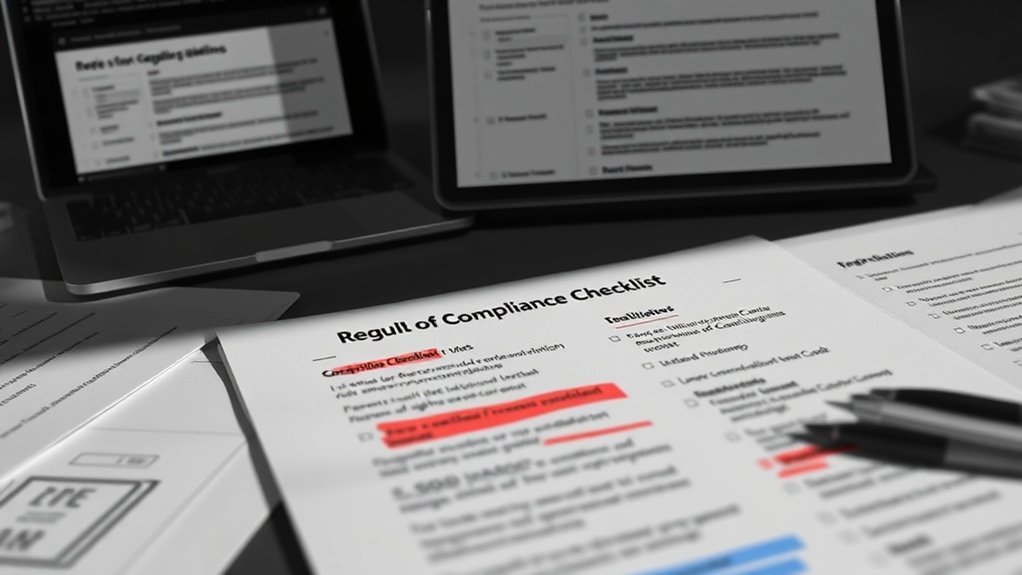
As organizations race to deploy high-risk AI systems like OpenAI's GPT-4o in critical sectors such as healthcare, finance, and law enforcement, they're encountering significant compliance costs associated with the EU AI Act‘s stringent regulations. Meeting these requirements involves thorough documentation, risk management assessments, and mandatory human oversight, which often necessitates specialized expertise that smaller businesses may struggle to afford.
With the compliance deadline of August 2, 2025, looming, companies face potential penalties of up to €35 million or 7% of global revenue for non-compliance. Currently, 63% of tech leaders report that non-technical teams underestimate the resource demands of integrating advanced models like Claude 3.5 Sonnet, creating dangerous gaps between AI deployment ambitions and operational realities.
For example, implementing a model like LangChain for document automation can streamline compliance documentation processes, but it requires careful setup and continuous monitoring to ensure accuracy.
While Claude 3.5 Sonnet can reduce average handling time for support responses from 8 minutes to just 3 minutes in a customer service context, it's crucial to note that these models can produce unreliable outputs in niche scenarios, necessitating close human oversight.
To navigate these challenges effectively, organizations should begin by assessing their current capabilities against the EU AI Act requirements. This could involve consulting with experts in risk management and compliance to establish a clear roadmap for addressing documentation and oversight needs.
Additionally, investing in training for non-technical teams on the implications of AI deployment can bridge the knowledge gap and enhance operational readiness.
While companies navigate the compliance costs associated with commercial AI systems, they frequently miss a critical aspect of the EU AI Act: its enforcement gaps in military and surveillance applications.
Three critical loopholes tech firms must understand:
These exemptions grant authorities substantial control while leaving tech companies vulnerable to reputational damage and compliance issues. For firms engaged in AI for military or law enforcement purposes, understanding these loopholes is critical for navigating the regulatory landscape effectively.
The countdown to August 2026 is underway, marking the shift of the EU AI Act from framework to full enforcement—and many tech firms are lagging behind. High-risk AI systems, such as those utilizing models like GPT-4o for customer service, will need to undergo mandatory risk assessments and rigorous documentation processes. This necessitates immediate internal restructuring.
Companies should prioritize building compliance infrastructures now, as penalties for non-compliance could reach €35 million or 7% of global revenue.
By February 2025, the ban on unacceptable-risk AI systems—like certain unregulated uses of facial recognition technology—will require companies to pivot their strategies within a matter of months. National supervisory authorities will oversee enforcement across EU member states, providing clarity on jurisdictional issues.
To prepare, forward-thinking companies are developing transparency protocols and accountability frameworks today to avoid scrambling when enforcement becomes mandatory. For instance, using LangChain to create a compliant AI-driven chatbot could streamline customer interactions while ensuring adherence to regulatory standards.
It's crucial to remember that while tools like Hugging Face Transformers can enhance operational efficiency, they've limitations. For example, these models may generate biased or inaccurate outputs, necessitating human oversight to ensure quality and compliance.
Companies can start by evaluating their current AI applications and aligning them with upcoming regulatory requirements, ensuring they've the necessary frameworks in place by the enforcement deadline.
The landscape of AI regulation is shifting, and companies that adapt now will lead the charge. Start by investing in a robust governance framework—set up a dedicated team to navigate compliance with the EU AI Act and schedule training sessions for staff this month. As the full enforcement deadline in 2026 approaches, those who prioritize proactive regulatory engagement will not only secure market access but also gain a competitive edge over those who hesitate. Embrace the challenges ahead; the future of tech hinges on your readiness to respond.
Only 15% feel fully prepared due to vague compliance standards, political pressures, and rapid AI advancements. Many underestimate resource needs, leading to delayed governance frameworks and financial risks from potential €35M+ penalties.
Penalties reach €35M or 7% of global revenue for noncompliance. Companies underallocate resources by 63% due to knowledge gaps in non-technical teams, increasing financial exposure and operational delays.
Classify AI into four risk tiers (unacceptable, high, limited, minimal). High-risk systems require extensive documentation and governance frameworks, which take months to develop and must align with evolving regulatory expectations.
Political debates and inconsistent enforcement guidelines create uncertainty. The 2025 unacceptable-risk AI ban deadline forces companies to restructure quickly, but ambiguous penalties and shifting standards delay effective compliance strategies.
“`json
“`
The tools, tutorials, and trends that actually pay — no hype.

The tools, tutorials, and trends that actually pay — no hype.