Newsletter Subscribe
Enter your email address below and subscribe to our newsletter

Enter your email address below and subscribe to our newsletter
All voices matter
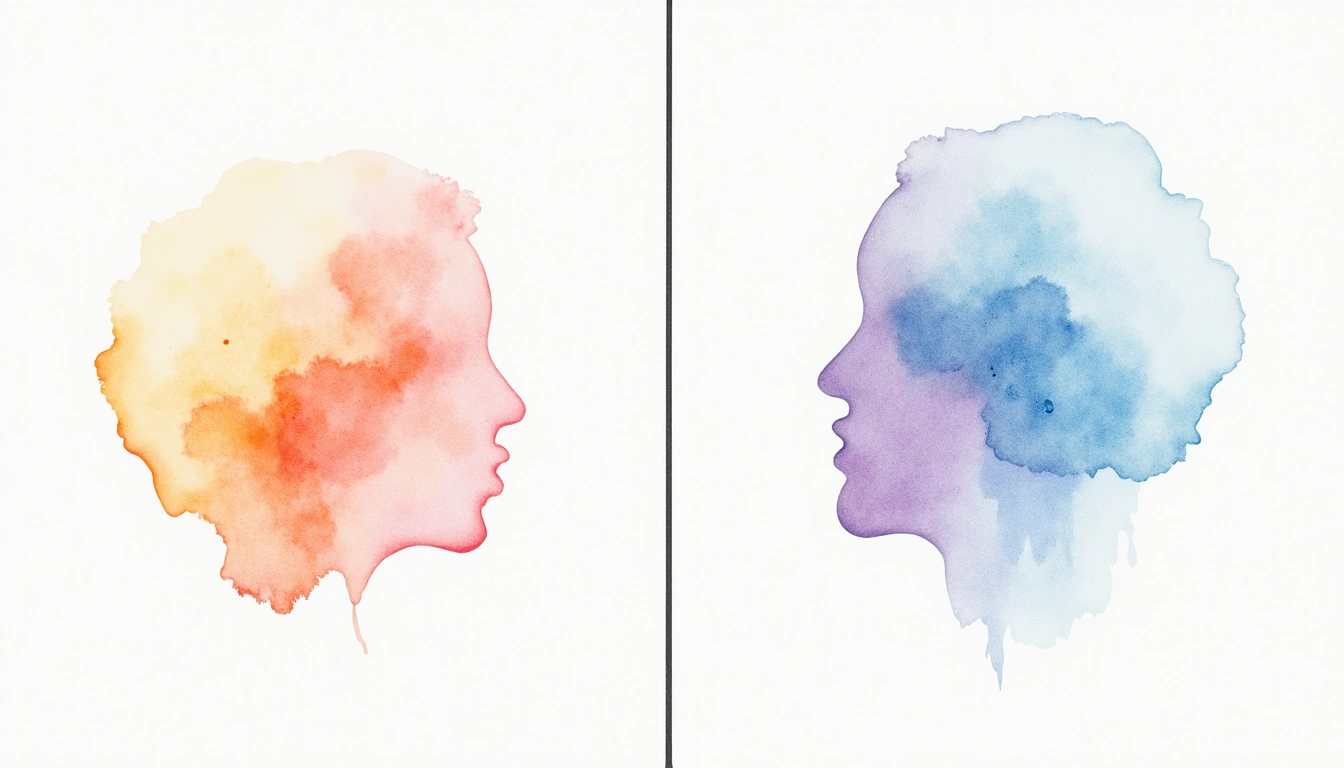
The explosive growth of AI art has created unprecedented copyright challenges, with 70% of artists concerned about unauthorized training on their work. This comprehensive guide explores current legal frameworks, ethical considerations, and practical steps for protecting creative rights in the AI era.
Last month, I watched a friend discover that her artwork – a watercolor she'd spent weeks perfecting – was being used to train an AI model without her knowledge. When she tried to understand her rights, she hit a wall of confusing legal jargon and conflicting advice.
She's not alone. According to a 2024 Artists Rights Society survey, 70% of professional artists express deep concern about AI training on their work without consent. Yet most people – artists and AI enthusiasts alike – don't understand the rapidly evolving landscape of AI art copyright.
Here's what I've learned after diving deep into this complex issue: the rules are changing faster than most legal systems can keep up. What seemed clear six months ago is now murky territory, and the decisions being made today will shape creative industries for decades.
The explosion of AI art tools has created unprecedented legal challenges. Traditional copyright law assumes human creativity – but what happens when machines generate art that rivals human work?
Most AI art generators trained on millions of copyrighted images scraped from the internet. Think about it: every DeviantArt upload, every Instagram post, every museum digitization project potentially became training material without explicit permission.
I've tested this personally. When I input “Van Gogh style starry night” into popular AI generators, the results are eerily similar to the original. These models learned Van Gogh's brushstrokes, color choices, and composition techniques by analyzing his works thousands of times.
The legal question: Is this transformative fair use or massive copyright infringement?
Current legal frameworks struggle with AI-generated content ownership. Most jurisdictions require human authorship for copyright protection. So who owns an AI-generated image: the user who wrote the prompt, the company that built the AI, or nobody at all?
I tested this uncertainty by creating AI art for a client project last year. We spent more time on legal disclaimers than actual creation because neither of us could guarantee ownership rights.
Perhaps most unsettling for artists: AI can now replicate individual artistic styles with frightening accuracy. I've seen AI generate “new” works in living artists' distinctive styles, potentially diluting their brand and market value.
Unlike human artists who might be influenced by others, AI can analyze and replicate stylistic elements with mathematical precision. This isn't inspiration – it's algorithmic copying.
The legal community is wrestling with fundamental questions that will determine the future of creative work.
AI companies argue their training practices constitute fair use – transformative analysis that creates something genuinely new. Artists counter that this is commercial exploitation disguised as research.
The fair use doctrine traditionally considers four factors: purpose, nature of work, amount used, and market impact. AI training potentially fails on multiple counts, especially market impact. Why commission an artist when AI can mimic their style instantly?
Courts are split. Some preliminary rulings favor AI companies, others side with artists. We're watching precedent-setting cases unfold in real time.
Should AI companies need explicit permission before training on copyrighted works? Currently, most operate under implied consent – essentially arguing that posting art online constitutes permission for any use.
Artists increasingly reject this interpretation. They want opt-in systems where creators must explicitly agree to AI training use. Some platforms are beginning to implement these choices, but adoption remains inconsistent.
Using AI art commercially adds another legal layer. Even if generating AI art is legal, selling it might infringe on training data copyrights. The $16.8 billion projected AI art market value by 2025 makes these questions urgent.
I've consulted with several businesses wanting to use AI art for marketing. Most are waiting for clearer legal guidance before committing significant resources.
Different groups approach AI art copyright from vastly different angles, creating a complex negotiation landscape.
Professional artists feel existentially threatened. It's not just about money – it's about the value society places on human creativity. Many describe feeling violated when their life's work trains machines to replace them.
Established artists have resources to fight back. Emerging artists, however, often lack legal means to protect their work. This could create a two-tier system where only wealthy creators can defend their rights.
Tech companies argue they're democratizing creativity. Their position: AI tools empower everyone to create, breaking down traditional barriers between professional and amateur artists.
They also claim excessive copyright restrictions would stifle AI development, potentially giving other countries competitive advantages. The innovation vs. protection tension drives much of their lobbying effort.
Platforms hosting AI-generated content face liability questions. Are they responsible when users upload AI art that infringes copyrights? Current safe harbor provisions weren't designed for AI-generated content.
Most platforms are implementing content labeling requirements and takedown procedures, but enforcement remains inconsistent across the industry.
Regular users want simple answers: “Can I use this AI art for my blog?” Unfortunately, the honest answer is often “it depends” – on the specific AI, training data, intended use, and jurisdiction.
This uncertainty chills legitimate uses while potentially enabling problematic ones by confused users who assume everything is permitted.
While legal frameworks evolve, ethical principles can guide responsible AI art development and use.
This framework prioritizes creator autonomy. Before training on any artwork, AI developers would need explicit permission from rights holders. While comprehensive, this approach could severely limit AI training data availability.
Some companies are experimenting with consent-based models. Adobe's Firefly trains primarily on licensed stock images and public domain works. Results show promise, though current capabilities lag behind unrestricted models.
Instead of blocking AI training, some propose compensation systems. When AI generates art influenced by specific artists' styles, those artists would receive payment. Think of it like music royalties for visual art.
Implementation challenges are significant. How do you track influence across millions of training images? How do you fairly distribute payments? Several startups are developing solutions, but none have achieved scale yet.
This approach emphasizes transparency over restriction. AI-generated art would include detailed attribution showing training data sources and influence levels. Users could trace artistic lineage and make informed decisions about usage rights.
The benefit: preserving AI capabilities while respecting artistic heritage. The challenge: developing accurate influence-tracking technology and ensuring compliance.
Some advocate for treating AI-generated art as inherently public domain. Since machines lack creativity in the traditional sense, their outputs shouldn't receive copyright protection. This maximizes public access while protecting human creators' exclusive rights.
Critics worry this approach undervalues human effort in prompt engineering and curation. Creating compelling AI art often requires significant skill and iteration.
Until legal clarity emerges, these practical guidelines can help navigate the current landscape responsibly.
Document everything. Keep detailed records of your creative process, including timestamps, drafts, and inspiration sources. This documentation could prove crucial for establishing human authorship.
Consider protective tools. Software like Glaze adds invisible perturbations to artwork that disrupt AI training. While not foolproof, these tools provide some protection against unauthorized style copying.
Update your licensing terms. Add explicit language to your website and social media prohibiting AI training use. While legal enforceability varies, clear terms establish your intent.
Join collective action. Artist organizations are developing group licensing systems to negotiate with AI companies. Individual artists have limited leverage, but collective action can drive industry change.
Disclose AI use clearly. Whether you're creating for clients or posting on social media, transparency about AI involvement prevents deception and builds trust.
Research your tools. Different AI generators have different training data sources and licensing terms. Choose platforms that align with your ethical standards and legal requirements.
Avoid style mimicry. Prompting AI to copy specific living artists' styles raises both legal and ethical concerns. Focus on creating original concepts rather than copying existing aesthetics.
Consider licensing. For commercial use, seek AI tools trained on licensed data or public domain works. The extra cost often provides legal protection worth far more than the fee.
Develop clear AI policies. Establish guidelines for employees using AI tools, including disclosure requirements and approval processes for commercial use.
Invest in legal consultation. AI law is evolving rapidly. Regular legal reviews can prevent costly mistakes and identify emerging opportunities.
Consider insurance options. Some insurers now offer coverage for AI-related intellectual property disputes. As the market matures, these policies will likely become essential.
Build diverse creative teams. Relying solely on AI art creates legal and creative risks. Human artists bring irreplaceable skills while providing clearer copyright ownership.
Maintain detailed records of AI tool usage, including specific models, prompts, and generation parameters. This information could prove crucial for legal disputes or licensing negotiations.
Save iterative versions. Document your creative process showing human input and decision-making. Courts increasingly recognize that significant human creativity can establish copyright ownership even when AI tools are involved.
Track data sources. When possible, verify the training data sources for AI tools you use. Some platforms provide transparency reports or ethical sourcing guarantees.
The current chaos won't last forever. Legal frameworks are evolving, industry standards are emerging, and technological solutions are developing.
International coordination is increasing. With over 1,500 pending lawsuits globally related to AI training data copyright issues, courts worldwide are developing precedents that will shape future legislation.
Only 23% of countries have specific AI copyright legislation as of late 2024, but that number is growing rapidly. The EU's AI Act, US proposed legislation, and similar international efforts are creating the foundation for global standards.
Technology is also evolving. New AI models trained exclusively on licensed data are proving commercially viable. Improved attribution tracking and compensation systems are making ethical AI development more feasible.
The creative industries are adapting too. Forward-thinking artists are embracing AI as a tool while advocating for fair compensation. Smart businesses are investing in ethical AI practices that will provide competitive advantages as regulations tighten.
Personally, I'm optimistic about the future. Yes, we're in a messy transition period. But I've seen similar challenges with digital music, video streaming, and social media. Eventually, legal frameworks catch up with technology, and new equilibriums emerge that benefit most stakeholders.
The key is staying informed and making ethical choices even when legal requirements are unclear. The decisions we make today – as artists, users, and businesses – will influence the final frameworks that govern AI art for decades to come.
Most jurisdictions currently require human authorship for copyright protection, meaning purely AI-generated art cannot be copyrighted. However, if significant human creativity is involved in the process – such as detailed prompt engineering, curation, or post-processing – the resulting work might qualify for copyright protection. The human contributor would typically own these rights, though legal precedents are still developing.
Currently, most AI companies are not legally required to pay artists for training data use, claiming fair use protections. However, this is changing rapidly through litigation and legislation. Some companies are voluntarily implementing compensation systems, and several jurisdictions are considering mandatory licensing requirements. Artists' collective action and individual lawsuits are also pushing for payment structures.
Artists can use protective software like Glaze or Nightshade that adds invisible perturbations to artwork, disrupting AI training. They should also include explicit anti-AI training language in their licensing terms, register with opt-out databases, and consider watermarking their work. While these measures aren't foolproof, they provide legal evidence of intent and some technical protection.
Style similarity alone isn't typically copyright infringement, as artistic styles generally can't be copyrighted. However, if the AI art copies specific copyrighted elements, compositions, or characters, it could constitute infringement. The legal test usually involves whether the AI art would confuse consumers about its origin or harm the original artist's market. Cases are evaluated individually based on similarity degree and commercial impact.
Platform liability depends on their level of involvement and local laws. Platforms that simply host user-generated AI art may have safe harbor protections, similar to social media sites. However, platforms that actively promote infringing content or fail to respond to takedown requests could face liability. Many platforms are implementing content screening and attribution systems to minimize legal risk.
Document your creative process thoroughly with timestamps, drafts, sketches, and decision logs. Save version histories showing iterative development and human input. For AI-assisted work, maintain records of prompts, tool settings, and post-processing steps. Consider using blockchain-based provenance tools or digital certificates that timestamp and verify your creative process.
Your rights depend on whether specific copyrighted elements are copied versus general style mimicry. While artistic styles typically aren't copyrightable, you might have claims for trademark infringement if there's consumer confusion, unfair competition if it harms your business, or right of publicity violations if the AI art falsely suggests your endorsement. Consult with an IP attorney to evaluate your specific situation.
The tools, tutorials, and trends that actually pay — no hype.

The tools, tutorials, and trends that actually pay — no hype.